
How AI and Google Are Reshaping the Role of Mass Media Partners
See how AI and Google SERP changes affect brands in the affiliate and performance PR space. Plus, learn how your brand can stay on top!

Search habits are shifting. More shoppers are turning to generative AI instead of Google to research products and explore recommendations.
According to Capgemini, 71% of consumers already want AI integrated into their shopping experiences. That’s not a theoretical change; it’s a real-time shift in how people decide what to buy and who to buy from.
For brands, this raises a direct challenge: If product discovery no longer starts in a search bar, how do you stay visible in the places where decisions begin?
The answer still involves SEO (or AI SEO). But increasingly, it hinges on the strength of your content relationships, especially with mass media publishers who shape what surfaces in both traditional and AI-driven ecosystems.
Google isn’t dead, but the ground beneath it is moving.
Publishers are feeling the impact of this shift in real time. As Google rolls out AI overviews, answers to high-intent searches like “best air purifier” or “most durable running shoes” now appear directly in the results. These SERP changes cut down the click path, making it harder to drive affiliate conversions or monetize content at all.
We’re seeing that pressure play out firsthand at Gen3.
Mass media partners are actively adapting and diversifying to reduce their reliance on organic search traffic.
- Some are moving content into newsletters to control the audience more directly.
- Others are testing CPC-style placements with partners including Linkby to fill performance gaps.
- Wirecutter is now working more closely with Google, and a growing number of editors are building out their own solo Substack newsletters.
The formats may be shifting, but the need for strong commerce partnerships hasn’t gone anywhere.
What matters is that mass media isn’t retreating—it’s rerouting—and several publications, such as The Atlantic, are in fact seeing subscriptions and advertising revenue increase.
AI tools are pulling the content while cutting the clicks.
AI engines rely heavily on mass media content. Tools like ChatGPT, Gemini, and Perplexity regularly cite trusted publishers when recommending products. Alas, the clicks rarely follow.
These models summarize the content, surface only a handful of links, and mostly keep users inside the AI experience. It works well for the user but offers almost nothing back to the publisher. This setup might not last long.
OpenAI recently launched native shopping functionality in ChatGPT. It now links directly to products, moving it one step closer to operating as a full-blown shopping assistant. This opens the door to future monetization models where publishers might finally see revenue from the content they power. Several, including Axel Springer, are already cutting licensing deals to get ahead of that curve.
Mass media content forms the foundation of many AI tools, shaping how they surface and deliver information. In some cases, that relationship is already becoming more formal through licensing deals and content partnerships. This includes WSJ’s parent company, News Corp, who signed a content deal with Open AI. The business model might still be unclear, but the content strategy shouldn’t be.
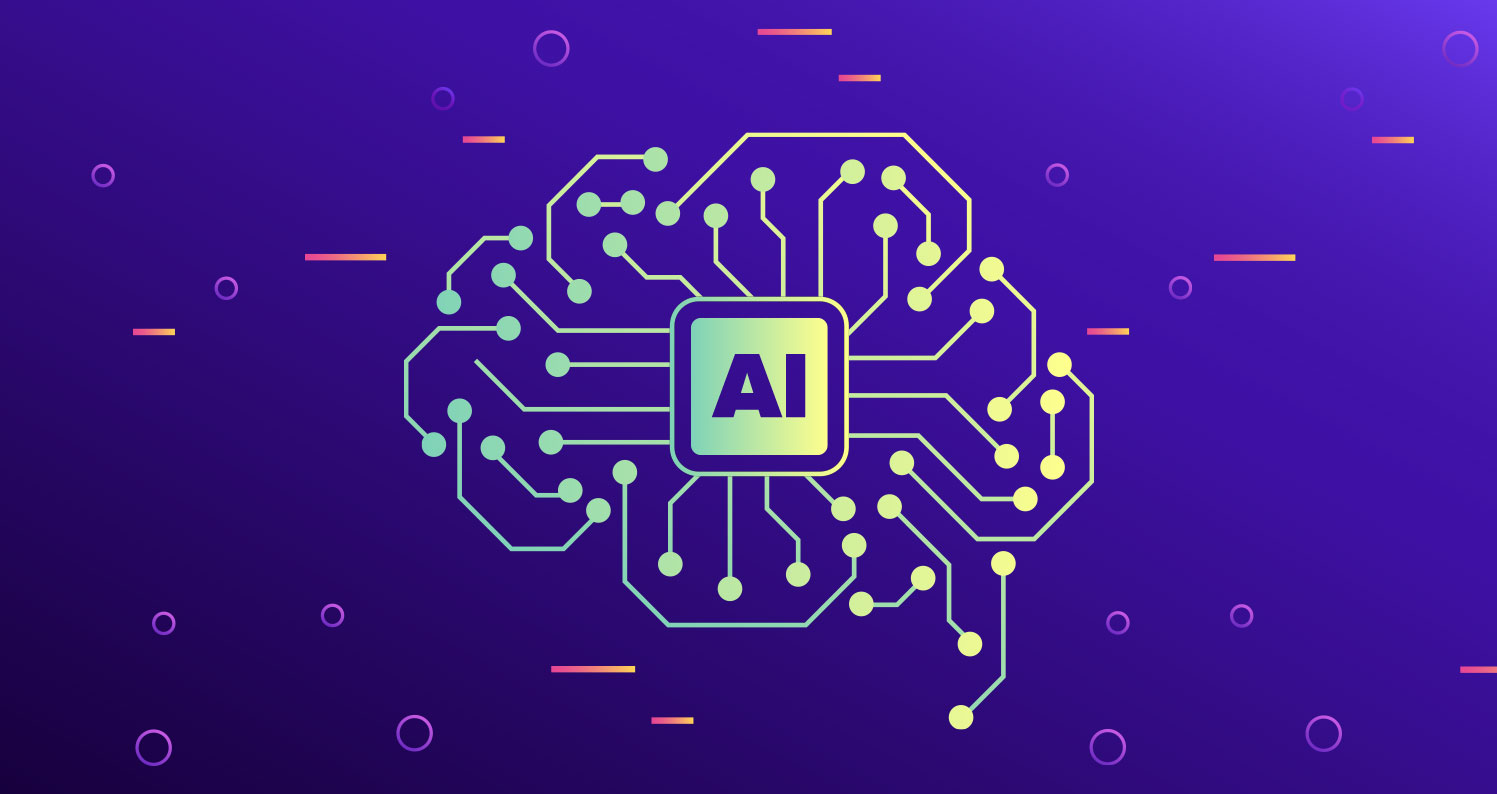
AI engines are powered by publisher content—surfacing answers, but cutting clicks—forcing a rethink of how media earns from visibility.
What the smartest brands are doing right now.
Affiliate strategy is evolving, and the brands paying attention are shifting how they work with content partners. The strongest programs we see are actively working with mass media teams and expanding their reach into more niche outlets: Substacks, newsletters, and individual contributors with loyal audiences.
Smart brands are already watching where and how they show up in both AI summaries and search results, using that visibility to spot gaps in coverage. Maybe it’s a missing mention on a “top ten” list, or a high-intent query that no longer links to anything. Those insights are shaping the next wave of PR moves, content plans, and affiliate investments.
The brands getting coverage in AI and search are the ones with strong, well-maintained relationships behind the scenes. These same brands also earn regular organic coverage with authoritative mass media publications.
There’s no “playbook,” but we see a pattern.
Everything about this shift is fluid. Search is changing, and AI is growing up in public. Publishers are testing new revenue paths, and not all of them will work. What stays constant is the role of trusted content in helping shoppers make up their minds.
Mass media partners still drive that trust. Even when the format changes, even when the click disappears, the voice matters.
The brands who stay close to those voices are the ones staying visible where it counts. Those brands who have been actively running PR and PPR for the past few years are now best positioned to take advantage of both AI and Google and SEO visibility and credibility.
If you haven’t started performance PR yet, the best time was a few years ago. The next-best time is today.
Ready to grow your business? Contact us to see exactly how we can help grow your business.

Jacob Crompton-Schreiber is an associate director on the performance PR team at Gen3 Marketing. He has years of experience in both public relations and affiliate, with his current area of focus being the growing intersection of PR and affiliate marketing. In his role, Jacob helps drive ecommerce growth for leading brands through innovative strategies that combine the awareness of PR with the ROI of affiliate.
More Blogs
What to Actually Demand from Your Affiliate Marketing Agency
Every affiliate agency will tell you they drive growth. Fewer will tell you what that growth costs, how it happened, or whether it's sustainable without them. If your monthly recap is a summary of last month's numbers, you don't have a strategy; you have a...

Affiliate Marketing for Financial Services: How to Drive New Customer Acquisition While Staying Compliant
Financial services brands that have built strong affiliate programs are seeing remarkable results. Some of Gen3's financial services clients are generating 30% to 60% of their new account opens directly from their affiliate program. And yet many Fintechs and newer...

Affiliate Marketing Strategy: How to Make the Case to Senior Decision Makers
Affiliate marketing delivers a 12:1 ROI. The channel has grown to a $71 billion market with a 14% compound annual growth rate. And yet it still captures just 11% of the average marketing budget, with only 38% of marketers calling it a priority for driving sales and...